
App Design
WalletWize App Prototype
WalletWize is a collaborative design sprint project where we developed a prototype for a Gen Z-focused personal finance app aimed at making financial literacy engaging, intuitive, and habit-forming.
Role
UX Developer
Timeline
5 weeks
Tools
Figma, Canva, Miro, Google Forms, Zoom, Excel
The Problem
Gen Z users struggle to engage with traditional financial tools and education, which are often complex, text-heavy, and not designed for mobile-first, habit-driven behavior. Existing solutions fail to meet users where they are, lacking interactivity, personalization, and motivation, making it difficult for them to understand money management concepts and build consistent, long-term financial habits.
Business Goals
- Create an engaging, differentiated personal finance app tailored to Gen Z
- Increase user acquisition and retention through habit-forming features
- Simplify financial education to make it more accessible and actionable
- Build long-term user loyalty by supporting consistent financial behaviors
User Goals
- Easily understand and manage personal finances in a simple, intuitive way
- Build healthy financial habits (budgeting, saving, tracking spending)
- Stay motivated through interactive, engaging features
- Access personalized insights and guidance tailored to their financial situation
Research & Insights
Through surveys, user research, and competitive analysis, we explored how Gen Z approaches personal finance and identified key gaps in engagement, accessibility, and habit-building within existing tools.
Low Engagement
Users found existing financial apps and resources to be overwhelming, text-heavy, and unengaging, leading to low motivation to consistently manage their finances.
Simplicity & Clarity
Users preferred simple, easy-to-understand interfaces that break down financial concepts into digestible, actionable steps.
Habit-Building Needs
Users expressed a desire for tools that help them stay consistent with budgeting, saving, and tracking through reminders, goals, and progress tracking.
Value of Personalization
Users wanted tailored insights and recommendations based on their financial behavior, rather than generic advice.
The Strategy
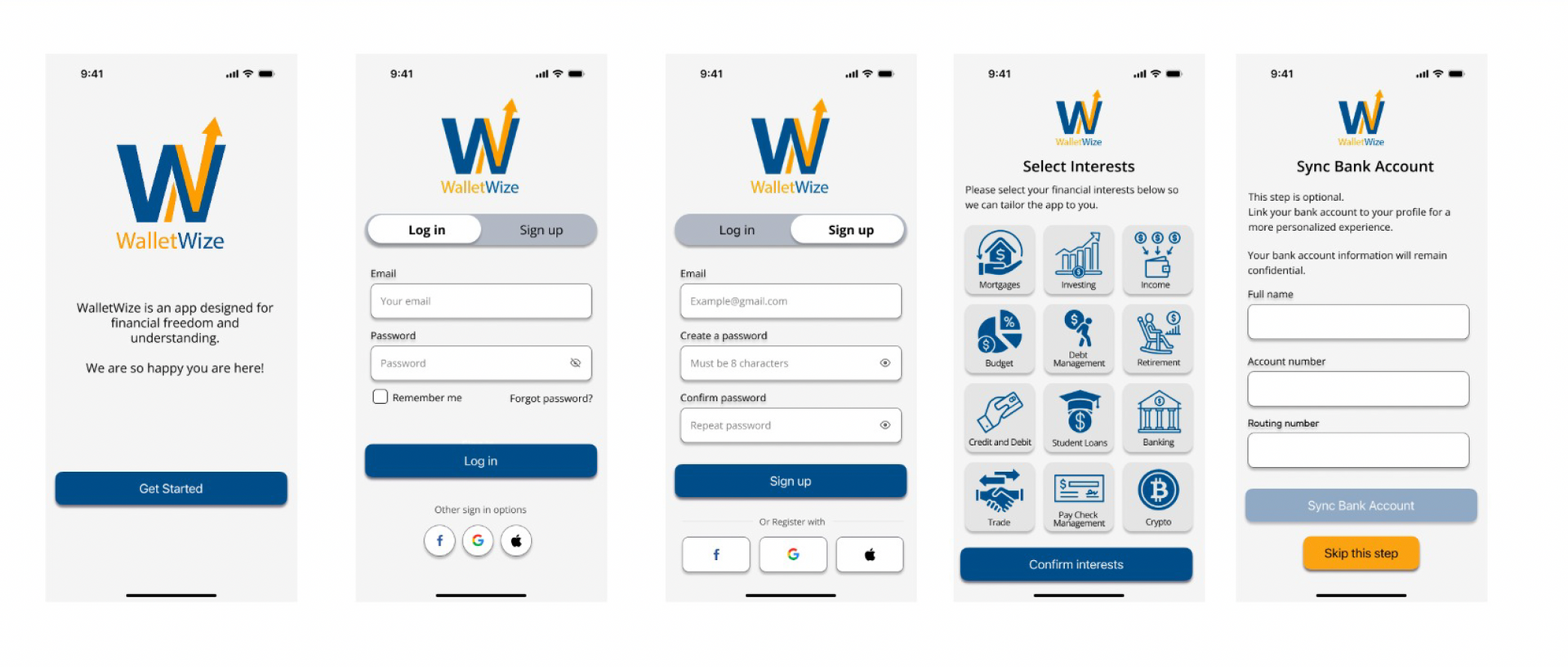
Based on research insights, the strategy focused on creating a simple, engaging, and habit-driven financial experience tailored to Gen Z users. This included simplifying complex financial concepts, incorporating interactive features to boost engagement, and designing goal-oriented flows that encourage consistent behavior. The goal was to make managing money feel approachable, motivating, and seamlessly integrated into users’ daily routines.
The Final Solution
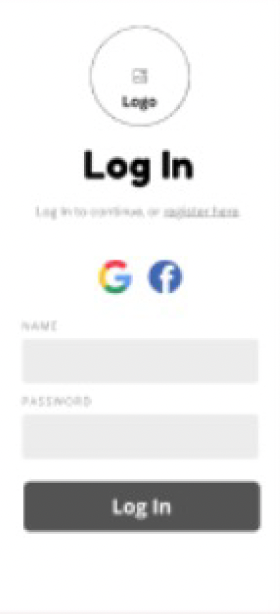
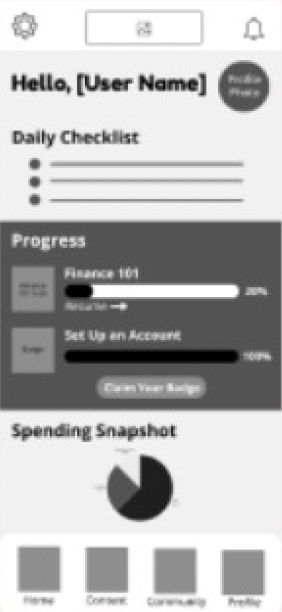
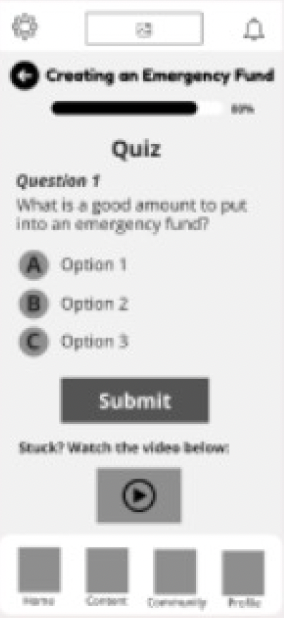
The final solution is a high-fidelity mobile app prototype designed to make personal finance simple, engaging, and habit-driven for Gen Z users. The app combines intuitive budgeting tools, goal tracking, and interactive features to help users better understand their finances and build consistent money management habits.
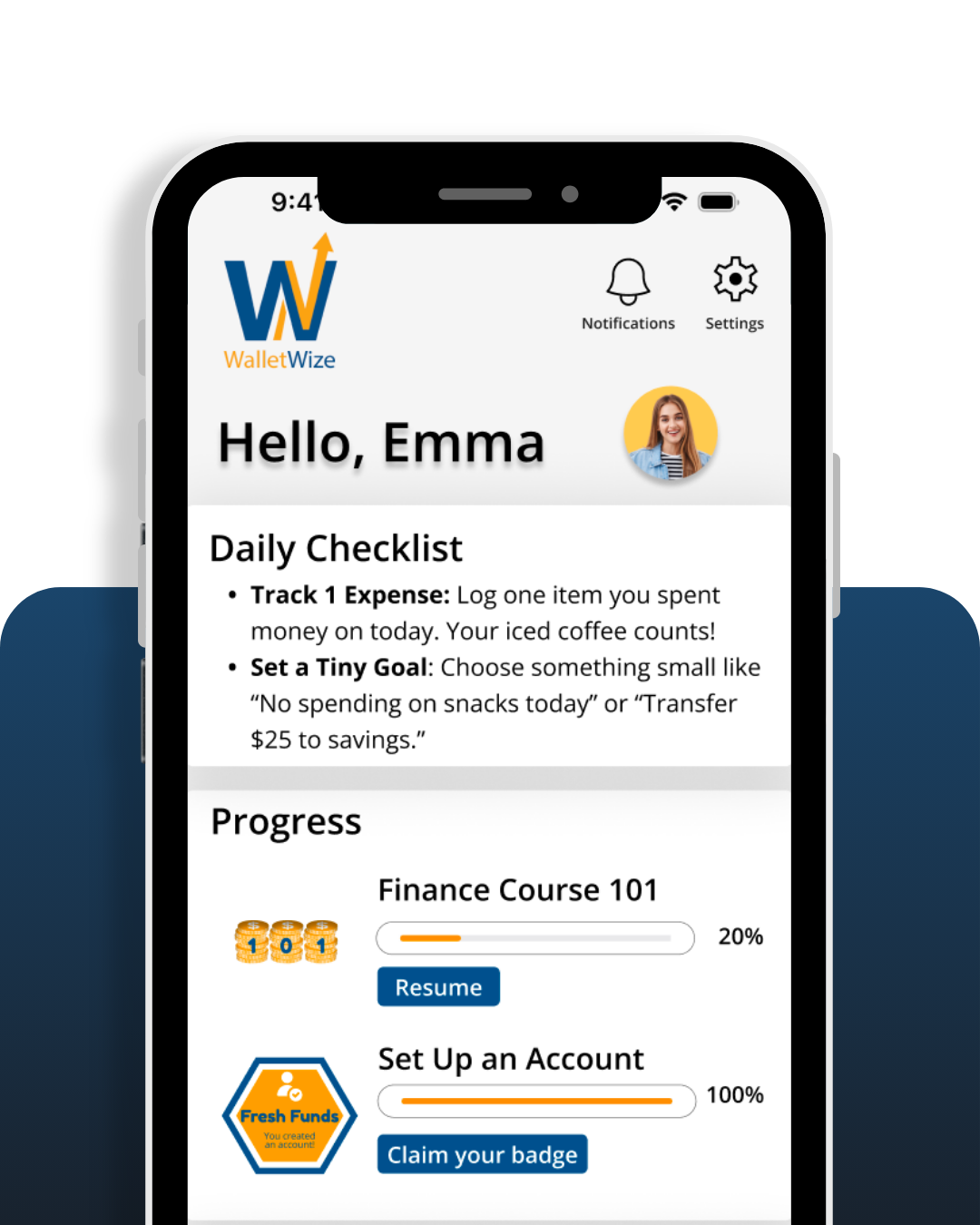
Simplified Financial Management
The app breaks down complex financial concepts into clear, easy-to-understand actions, allowing users to track spending, set budgets, and manage their money with confidence.
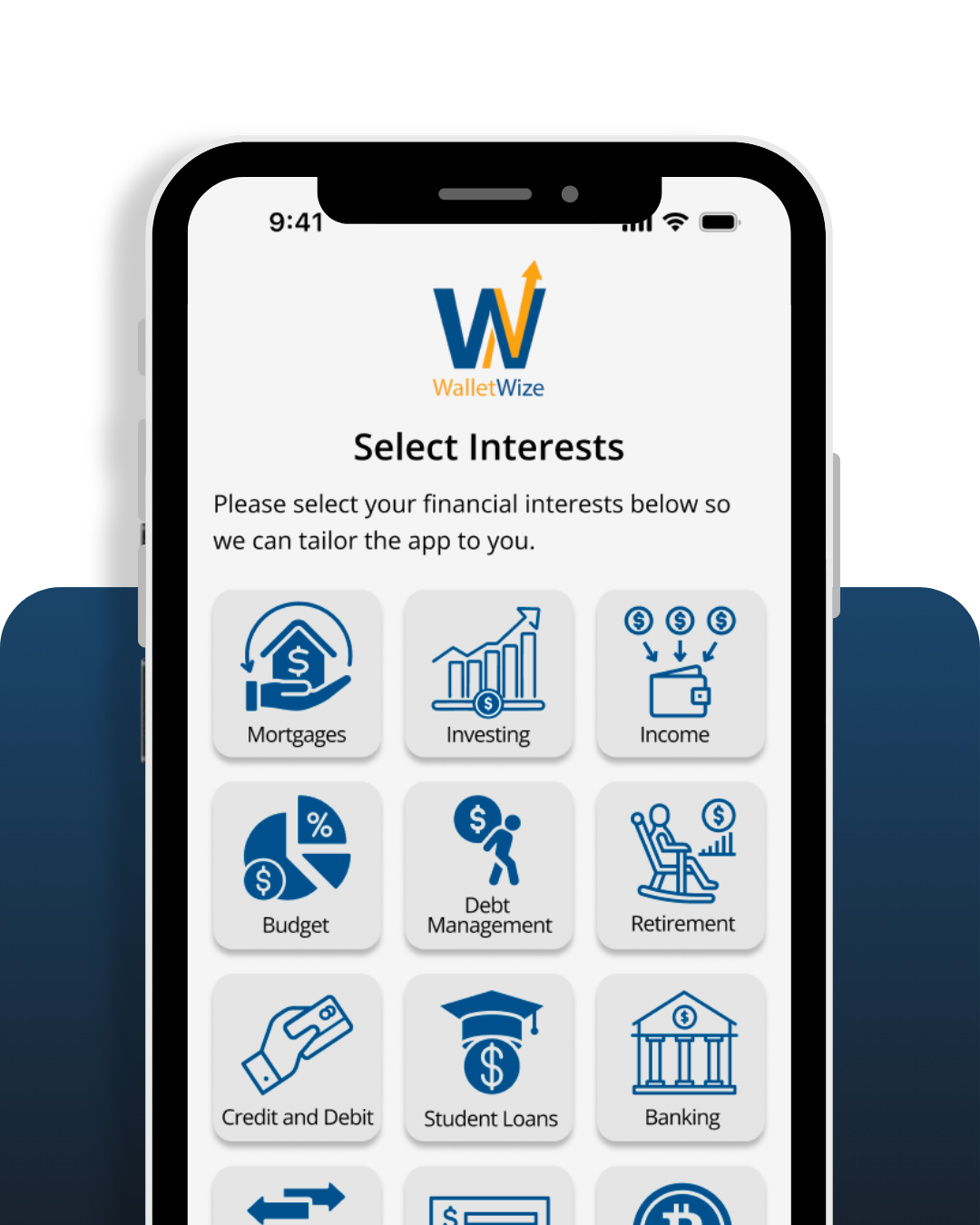
Engaging, Habit-Driven Experience
Interactive features such as goal tracking, progress visualization, and reminders encourage users to stay consistent and build long-term financial habits.
Creative Project Manager
Develomark
2026–Present
Lead cross-functional web projects from kickoff to launch, managing timelines, client communication, and deliverables. Guide UX strategy and design direction to ensure user-centered, high-performing websites while collaborating with internal teams to streamline processes and maintain quality standards.
Prioritize Simplicity Over Complexity
Financial concepts were simplified into clear, digestible actions to reduce overwhelm and make money management more approachable for first-time users.
Design for Habit Formation
Features like goal tracking, reminders, and progress visualization were prioritized to encourage consistent engagement and long-term financial behaviors.
Leverage Visual Feedback for Engagement
Visual elements such as charts, progress bars, and milestones were used to help users quickly understand their financial status and stay motivated.
Personalize the User Experience
The app was designed to provide tailored insights and recommendations based on user behavior, making financial guidance more relevant and actionable.
Key Design Decisions
Validated Outcomes
100% Task Completion Rate
All test participants were able to successfully complete core tasks, such as setting a goal and tracking spending, indicating clear and intuitive user flows.
Improved User Understanding of Finances
Users reported that the app made financial concepts feel easier to understand, validating the effectiveness of simplified content and visual feedback.
Increased Engagement with Interactive Features
Participants responded positively to goal tracking and progress visuals, showing that interactive elements can motivate consistent use and habit formation.

Learning & Future Steps
This project highlighted the importance of designing for engagement when tackling complex topics like personal finance. I learned how simplifying content, incorporating visual feedback, and building habit-driven features can significantly improve user understanding and motivation. Working in a collaborative sprint environment also strengthened my ability to iterate quickly, align with a team, and make design decisions under time constraints. Moving forward, I would expand usability testing with a larger audience, refine personalization features, and explore integrations to further support long-term financial behavior change.