
UX Research
WeGym WeHa UX Analysis
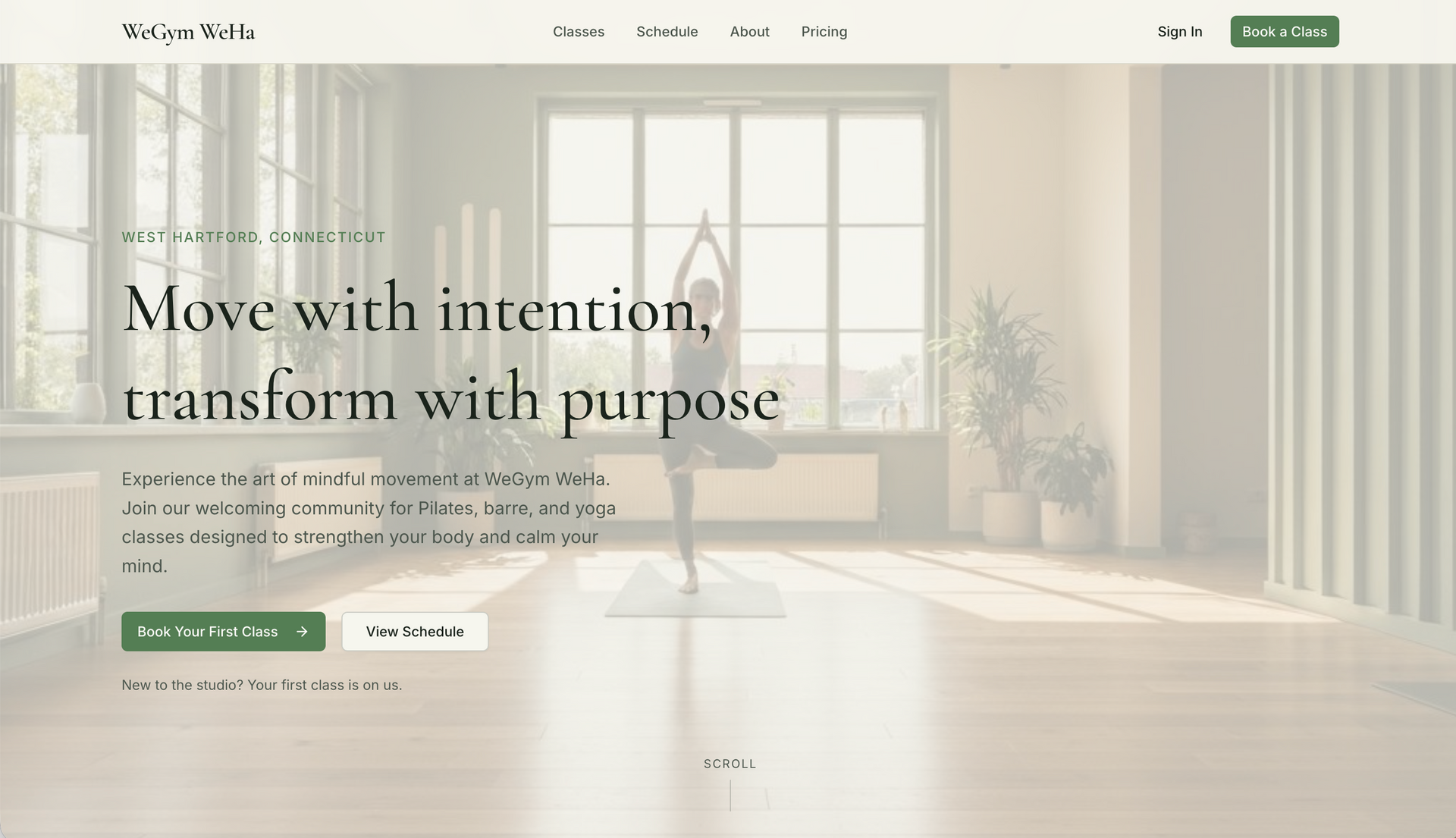
This project is a UX research and analysis of the WeGym WeHa website, where I identified key usability issues and developed strategic recommendations to improve clarity, engagement, and conversions.
Role
UX Researcher & Analyst
Timeline
7 weeks
Tools
Useberry, Google Forms, qualitative research methods, usability testing, heuristic evaluation
The Problem
Users struggled to quickly find essential information, such as pricing, class schedules, and trainer details, and complete key actions like booking a class, due to unclear navigation, scattered and outdated content, and a lack of engaging, trust-building elements, resulting in friction throughout the user journey and missed conversion opportunities.
Business Goals
- Attract new members and increase conversions (class bookings, free trials)
- Clearly communicate services, pricing, and value
- Build trust and credibility to compete with other fitness studios
- Improve overall website engagement and lead generation
User Goals
- Quickly find key information (pricing, class schedule, services)
- Easily book a class or sign up for a free trial
- Learn about trainers and feel confident in their expertise
- Understand if the gym fits their needs, schedule, and fitness level
Research & Insights
Through usability testing and research, I identified key friction points in the WeGym WeHa website, including navigation challenges, unclear information, and weak conversion pathways, revealing opportunities to improve clarity, trust, and overall user experience.
Navigation Friction
Users struggled to quickly find important information due to unclear navigation and scattered content, leading to frustration and increased drop-off.
Missing & Unclear Pricing
The absence of a dedicated pricing page created confusion and distrust, making users hesitant to move forward with booking or membership decisions.
Weak Conversion Flow
Booking a class or signing up for a free trial felt unintuitive due to unclear calls-to-action and a fragmented user journey.
Lack of Trust & Engagement
Limited testimonials, instructor details, and dynamic content reduced credibility and made it harder for users to feel confident choosing the gym.
The Strategy
Based on research insights, the strategy focused on simplifying the user journey and removing friction at key decision points. This included improving navigation, introducing clear and accessible pricing, strengthening calls-to-action, and incorporating trust-building elements like testimonials and instructor details. The goal was to create a more intuitive, transparent, and engaging experience that guides users seamlessly from exploration to booking.
Creative Project Manager
Develomark
2026–Present
Lead cross-functional web projects from kickoff to launch, managing timelines, client communication, and deliverables. Guide UX strategy and design direction to ensure user-centered, high-performing websites while collaborating with internal teams to streamline processes and maintain quality standards.
Prioritize Conversion Over Exploration
Focus was placed on simplifying the path to booking rather than adding new features, as users struggled to complete key actions due to friction in the existing flow.
Emphasize Transparency to Build Trust
Clear pricing and detailed instructor information were prioritized to reduce uncertainty and increase user confidence in committing to the gym.
Simplify Information Architecture
Reorganizing navigation and content structure was prioritized to help users quickly locate key information like schedules, services, and contact details.
Strategic Focus Areas
Recommendations
Introduce Clear Pricing
Add a dedicated pricing page with transparent membership options to reduce confusion and build trust.
Streamline Booking Flow
Simplify the class booking process with clear calls-to-action and a more intuitive user journey.
Improve Site Navigation
Reorganize site navigation to make key information like schedules, services, and contact details easier to find.
Build Trust Through Content
Incorporate instructor bios, testimonials, and dynamic visuals to increase credibility and user confidence.
Projected Impact
Increased Conversions
Simplifying the booking flow and adding clear calls-to-action would reduce friction and increase class sign-ups.
Improved User Trust
Introducing transparent pricing and detailed instructor profiles would build confidence and reduce hesitation.
Higher Engagement
Adding testimonials and dynamic content would create a more engaging experience and encourage deeper site interaction.

Learning & Future Steps
This project reinforced the importance of grounding design decisions in user research and clearly connecting insights to business impact. I learned how critical information clarity, trust-building elements, and streamlined user flows are in driving conversions. Moving forward, I would validate these recommendations through iterative testing and collaborate with stakeholders to implement and measure their impact, ensuring continuous improvement of the user experience.